Major campaign spoilers: this guide reveals Cope’s fate, the transfer of Rex’s identity, his connection to Carmille Tewy, and his farewell. Stop here if you want to discover those events in the campaign.
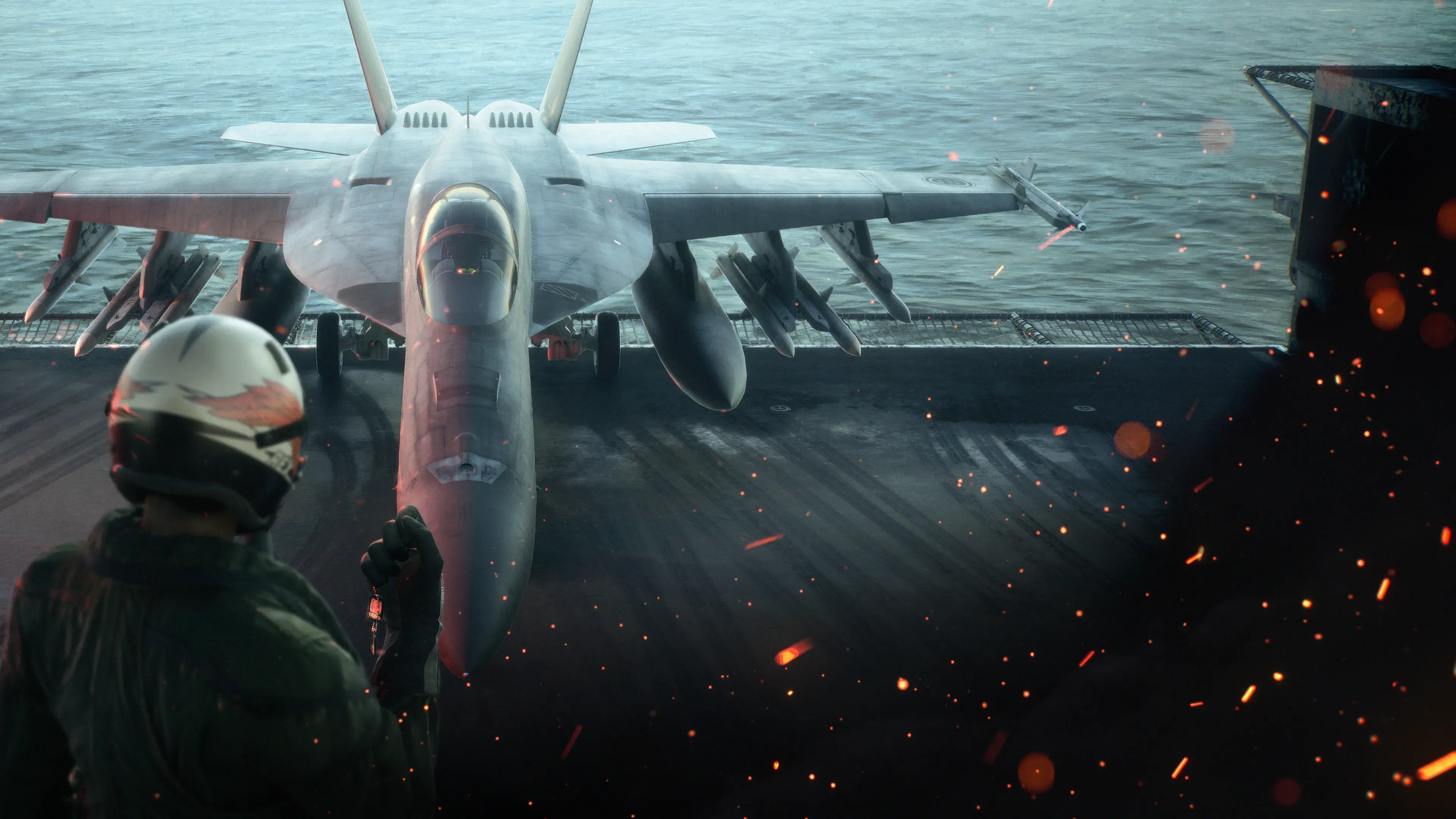
Jan Cope is the original pilot behind the Wings of Theve legend in ACE COMBAT 8. He is a commander, the leader of Joker Flight, and an exceptional evasive pilot whose public reputation was manufactured to preserve FCU morale. After his death, the surviving backseater inherits both his callsign, Rex, and the responsibility attached to that legend. Cope and the playable Rex are two different people.
The identity and reputation sections explain who Cope is. The later sections follow revelations about his childhood, continuing presence, and farewell in campaign order.
Identify Cope before following the name Rex
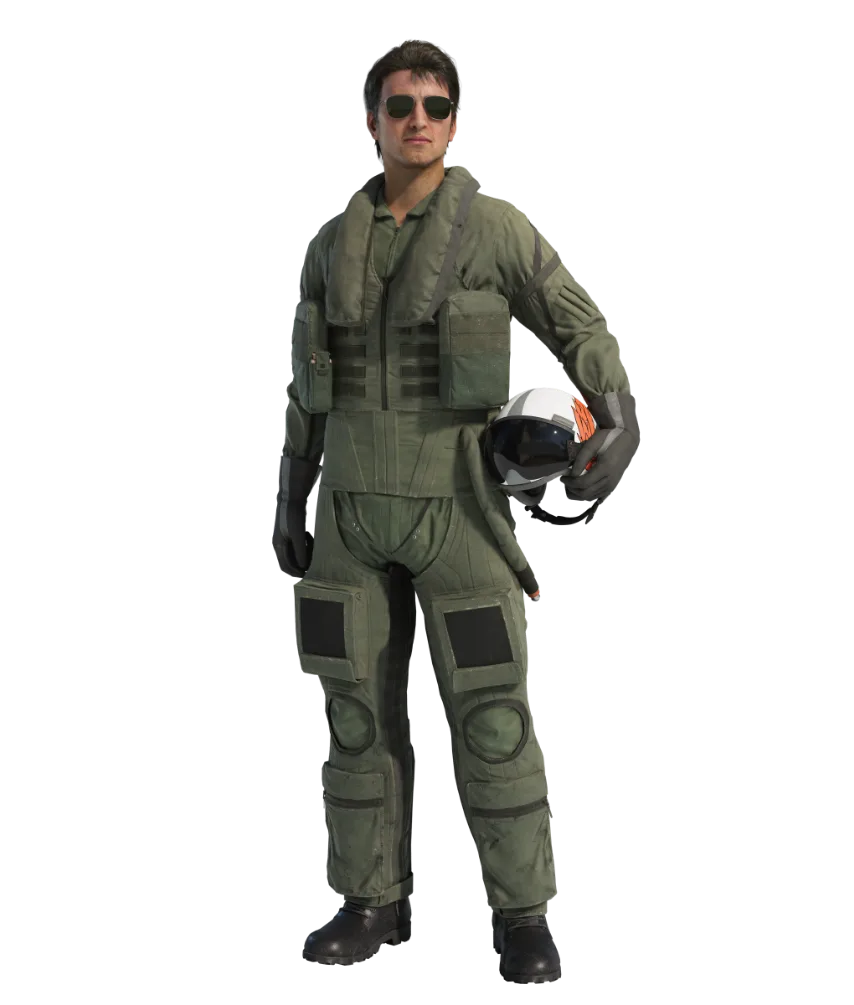
The most useful distinction is between the person, the callsign, and the public symbol. Jan Cope is a particular naval aviator. Rex is the name used over the radio and later taken by the player character. Wings of Theve is the heroic identity presented to the wider population. Those three labels overlap at the start of the story, but they do not remain attached to the same individual throughout it.
Cope serves with the Federation of Central Usea Navy and leads Joker Flight. His commander rank identifies his military position; it does not establish that every spectacular claim made about him is true. The public knows a legendary ace associated with the defense of the FCU capital. The people working beside him know a more complicated person, with impressive survival skills and personal shortcomings.
When a later scene addresses Rex, use its position in the story to determine which pilot is meant. Before the fatal sortie, the name belongs to Cope. After the survivor is instructed to replace him, it normally addresses the protagonist. A scene remembering the original pilot can still use the older identity. Confusing those uses makes Cope appear to have survived in the ordinary military sense, which misses the story’s central substitution.
| Identity | What it identifies | Why it matters |
|---|---|---|
| Jan Cope | The original commander and pilot | His personal history explains the legend’s beginnings |
| Original Rex | Cope’s callsign | The survivor later inherits this public identity |
| New Rex | The surviving backseater and playable pilot | This person must turn the reputation into real battlefield results |
| Wings of Theve | A morale-building heroic mantle | The name can outlive the person who first carried it |
Separate exceptional flying from the manufactured reputation
Cope’s legend is false, but his ability to fly is not. His strongest established skill is evasion. That made him suitable for a project built around keeping a recognizable pilot alive and allowing hope to gather around him. A commander who can escape dangerous situations is useful to such a project even without the combat record that the public imagines.
This distinction changes how you read the opening scenes. Treating Cope as a completely unskilled fraud cannot explain why he was chosen. Treating him as the unstoppable combat ace described by the legend cannot explain the instructions surrounding his sorties. The character sits between those extremes: an accomplished survivor placed inside a story that exaggerates what survival means.
His public identity serves the capital of Theve and the broader war effort. When military institutions are retreating and civilians are losing their homes, an apparently invincible ace can become a focus for confidence. The campaign asks what happens when that confidence depends on an image that the underlying person cannot honestly fulfill.
Cope is also a habitual gambler. He sometimes fails to pay his debts, but his charm and sociability keep him well liked. These details establish a recognizable person outside the propaganda role. They do not create a gambling activity for the player or a hidden debt repayment objective. Read them as characterization: the celebrated hero has ordinary weaknesses, and other people’s affection for him is not simply a response to his military image.
Follow the childhood connection to Carmille Tewy
Cope was born in Sotoa and grew up in a poor shepherd’s family. His childhood was nomadic. The lessons he remembers from his father emphasize making use of what is available and avoiding waste. That background puts practical survival at the beginning of his story, long before the FCU turns him into a national symbol.
He met Carmille Tewy on the frontier, where she was the daughter of a chieftain. Their friendship helped inspire his interest in becoming a pilot. Later events therefore connect two people who knew each other before they stood on opposing sides of the war. Tewy is not simply an enemy name that appears late in Cope’s biography; she belongs to the earliest period that shapes his ambition.
Desertification changed the family’s circumstances. Cope’s father sold their remaining sheep and moved with him to Usea. Tewy stayed on a different path and entered the Sotoan Air Force. Cope eventually joined the FCU Navy to support himself, becoming a carrier-based fighter pilot. His Sotoan birth and FCU service are both part of the same history.
The important sequence is friendship, environmental displacement, migration, and then divergent military careers. Do not reverse that order by assuming the two first met as combatants. Their shared childhood explains why recognizing Tewy later has an emotional effect on Cope that a routine encounter with a hostile commander would not have.
Understand the fatal sortie and the survivor’s inheritance
The new backseater joins Cope on a sortie that ends with the aircraft being shot down. Cope is killed, while the backseater survives the crash and retrieves his dog tags before reaching the surface. The original pilot’s death is the break between the creation of the legend and the protagonist’s attempt to live up to it.
The danger is connected to Girish Toprak, the Sotoan ace associated with Shadow 22. Cope’s reputation makes him a target. Once Wings becomes an important symbol, eliminating him has a significance beyond removing one naval aircraft. The same exaggerated public image that gives the FCU hope also directs enemy attention toward its supposed hero.
The survivor later assumes Cope’s callsign and nickname to prevent that symbol from disappearing. This is an imposed responsibility rather than a simple personal promotion. The player must carry a reputation that existed before their own achievements, while the people relying on it do not necessarily know the circumstances of the substitution.
The dog tags matter because they make the original pilot’s death and the survivor’s connection tangible. They are not evidence that Cope and the protagonist are the same person. They pass from a dead pilot to someone who has survived beside him, giving the replacement identity a private meaning that the public version of Wings cannot convey.
Read Cope’s continuing presence as a separate story element
Cope continues speaking to the new Rex after his death. His presence is presented through a spirit whose memories are incomplete or distorted. This means a conversation with him after the fatal sortie does not undo the death, and it does not place him back in the normal carrier command structure.
His guidance combines remembered experience with uncertainty. Some details of his life remain available to him, while others emerge as the story gives him a reason to recall them. That structure lets the campaign reveal his past through recognition and conversation instead of presenting a complete biography at the first meeting.
Avoid turning every appearance into a precise supernatural rule. The story supports his continued connection to the survivor, but it does not require you to invent a distance limit, a condition for summoning him, or a gameplay benefit from carrying the dog tags. Those would be different claims from explaining the scenes themselves.
A useful way to follow these moments is to ask what Cope remembers, what Rex currently knows, and what the public believes. Those viewpoints can differ within one scene. Cope may recognize a person from his childhood while the protagonist is encountering an enemy commander, and the wider military may still be acting on the heroic reputation inherited from him.
Interpret the recognition of Tewy and the final confrontation
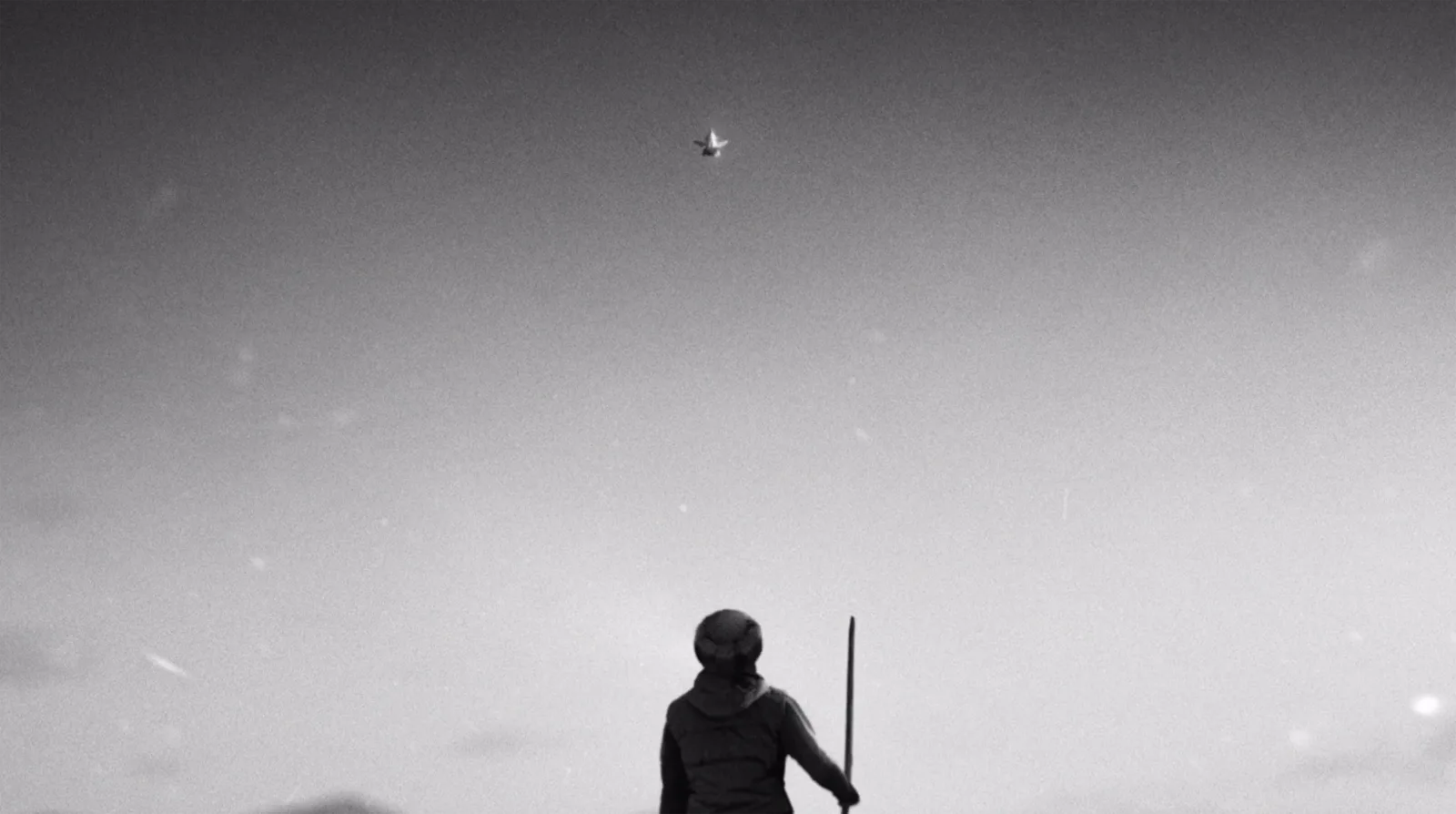
Seeing Tewy in Rio Bajo helps restore Cope’s memories of her. By then she has become a major general in the Sotoan Air Force. Her position in the present conflict is far removed from the frontier friendship that first inspired his desire to fly.
Cope responds to the difference between the person he remembers and the ruthless commander he now sees. During the final confrontation involving her, he urges Rex to shoot her down. That reaction is not a generic instruction to defeat any enemy aircraft. It grows out of a personal history that the earlier childhood scenes and restored memories have established.
The relationship should therefore be read across both periods. The young Tewy gives Cope an image of possibility; the later Tewy confronts him with what that life has become. His disappointment and anger make sense only when those two versions are kept together. Reducing the encounter to a new enemy introduced near the ending loses the reason his reaction is unusually personal.
This is interpretation of the character arc, not a claim that you can change its outcome through a different combat choice. Cope’s words explain his state of mind. They do not by themselves establish an alternate ending or a route that allows the player to restore the childhood relationship.
Understand the farewell and the dog tags
After the war, Cope remains with Rex briefly and addresses the belief that his spirit is bound to the dog tags. He rejects that explanation. This is the key detail if you have interpreted the tags as a literal device holding him in the living world. The object is significant, but Rex’s explanation of its power is not the final explanation offered by Cope.
Cope then shows Rex a vision of the Promised Land, described as the place to which pilots killed in combat are taken. Rex sees spectral hands associated with Cope and Tewy reaching toward one another. Katherine Evans brings him out of the vision, and the tags are no longer in his hands. They appear beside an anemone growing on the desertified prairie.
The farewell connects the pilot’s military death with his earlier life. Tewy belongs to that personal history, while the flower and damaged landscape recall the environmental change that displaced his family. The scene closes more than the practical question of whether Wings can continue flying: it also closes Cope’s relationship with the place and people he left behind.
Do not treat the final image as a reward pickup location or an equipment instruction. Its function here is narrative. To understand it, retain the difference between the survivor who continues living, the original pilot who is departing, and the heroic identity that has already passed between them.
Revisit the scenes that clarify Cope’s arc
For a focused reread of the campaign, follow Cope’s appearances in this order: the early carrier introduction, the fatal sortie, the survivor’s adoption of Rex, conversations showing incomplete memories, recognition of Tewy, and the postwar farewell. This sequence separates information available at the start from information revealed later.
Listen for changes in what his name means. A public reference to Wings celebrates an image; a private conversation with Cope exposes the person behind it. Pay similar attention to the dog tags: first they connect the survivor to a death, then they invite an explanation of the continuing presence, and finally the farewell corrects that explanation.
That reading keeps the page’s central identities clear. Cope begins as the pilot chosen to represent hope. The new Rex inherits the burden and supplies achievements of their own. Cope’s remaining conversations bring personal history back into a legend that had reduced him to a symbol, allowing his farewell to belong to Jan Cope as a person as well as to the original Wings of Theve.